
The “Quiet” Leak: Signs Your Roof Has Storm Damage Even if You Don't See a Drip
Storm damage does not always announce itself with a visible drip. After severe weather, subtle changes to your roof, attic, gutters, or interior spaces can reveal problems before they become costly. A careful inspection from a trusted roofing company can help identify hidden damage and protect your home from worsening moisture and structural issues. According to Grand View Research, residential roofing applications accounted for a 56.5% revenue share of the roofing market in 2025 and 2026, underscoring the importance of maintaining residential roofing systems.
Inspect Shingles for Storm Damage
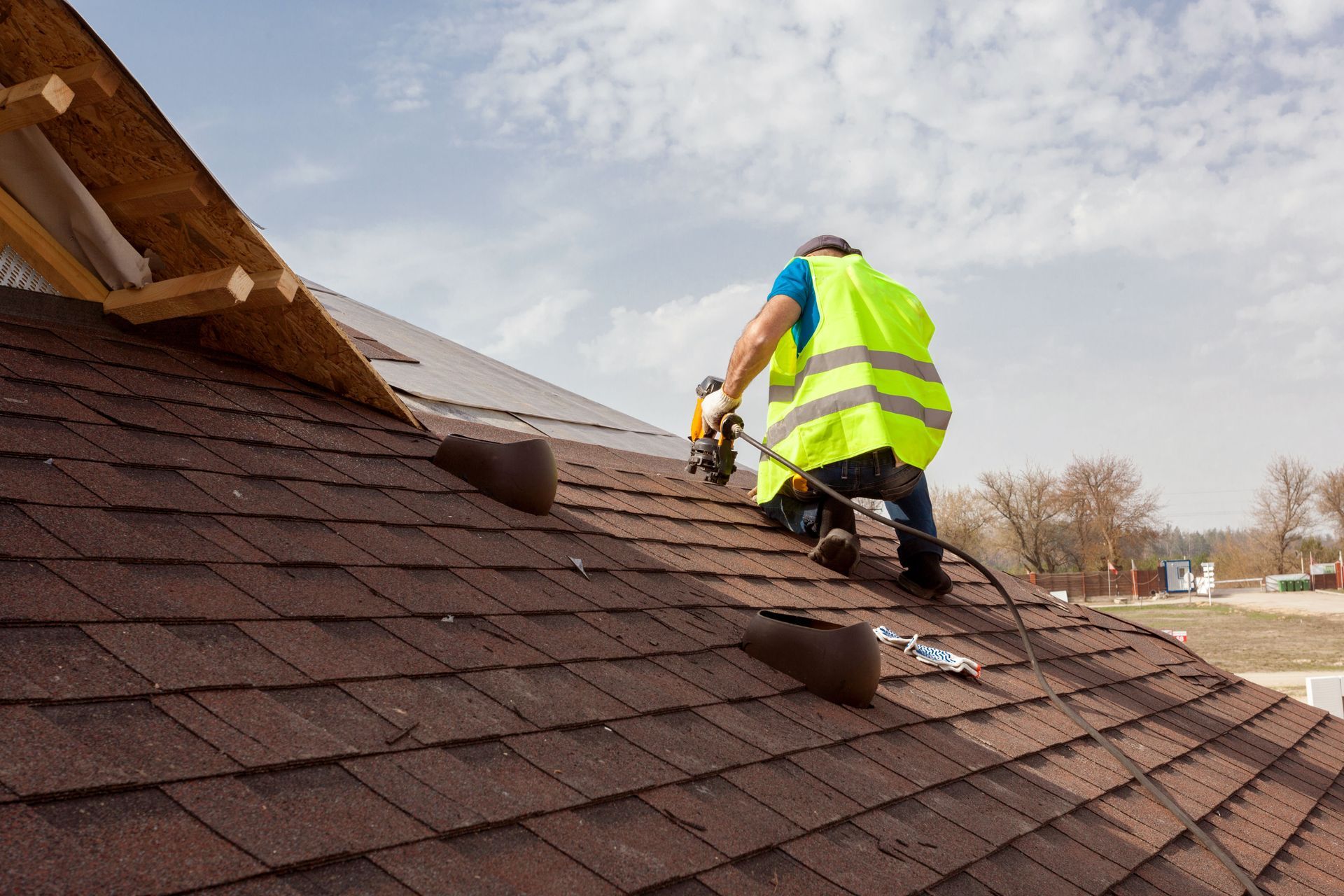
Missing shingles are among the easiest signs of storm damage to recognize. Strong winds can loosen or remove shingles, exposing the materials beneath them to rain and moisture. A roofing company can inspect exposed areas and determine whether repairs or replacement are necessary.
Cracked shingle surfaces can be harder to notice but may create openings where water can enter. Storm impact, weather exposure, and temperature changes can all contribute to cracking. Even when there is no visible leak, damaged shingles deserve prompt attention.
Granule loss is another warning sign. Shingle granules help protect roofing materials from sunlight and weather. After a storm, homeowners may notice bald-looking areas on shingles or an unusual amount of granule material in gutters. A roofing company can evaluate whether the loss is isolated or part of broader roof damage.
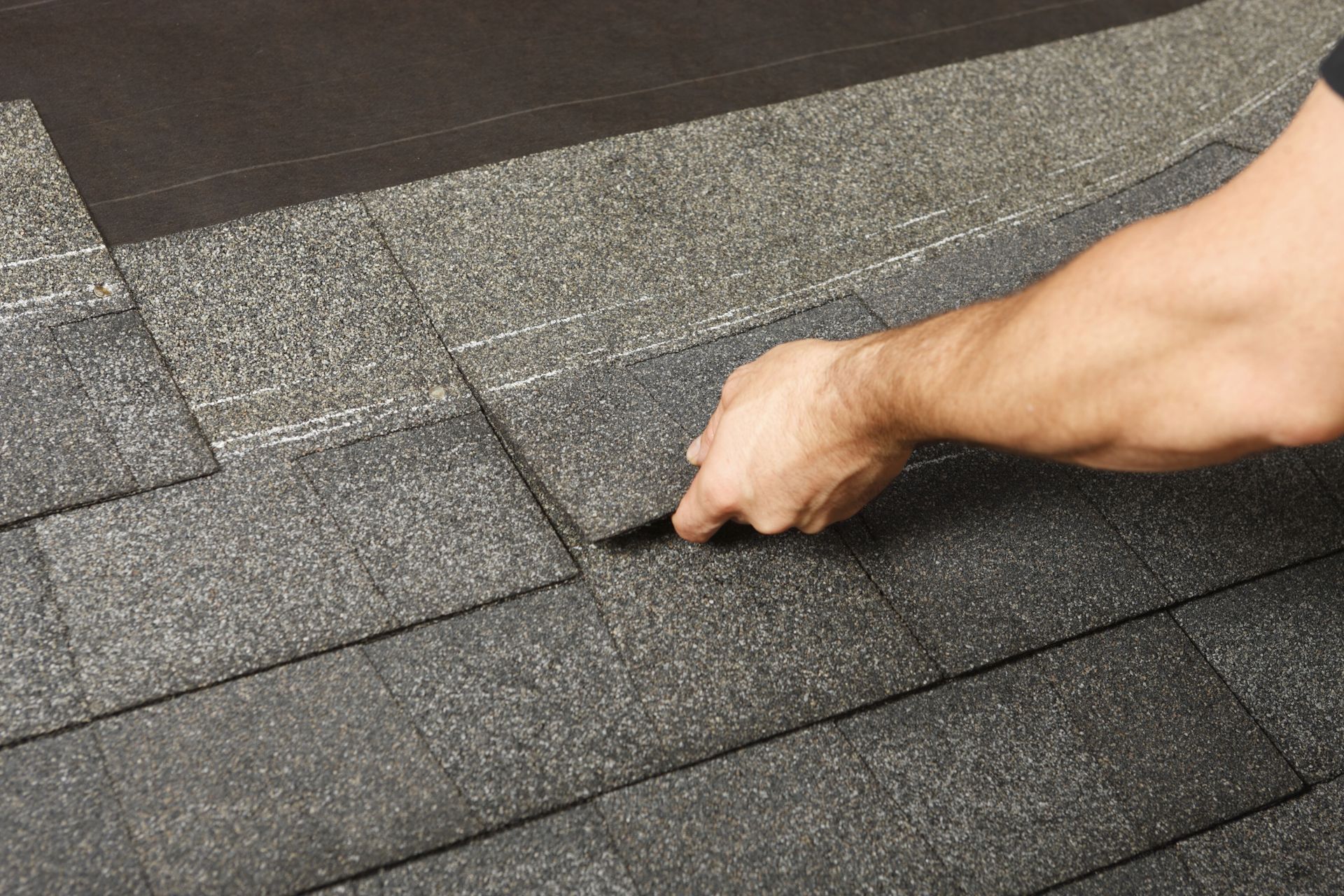
Homeowners should also look for shingles that appear lifted, curled, or displaced. These changes can occur when strong winds get underneath roofing materials and disturb their placement. Even if the shingles remain attached, gaps or lifted edges can make it easier for rainwater to reach vulnerable layers beneath the surface.
Storm debris can create additional concerns. Branches and other objects may scrape, crack, or puncture shingles without immediately producing an interior leak. Having a roofing company examine questionable areas after severe weather can help identify damage before moisture has time to spread.
Check Decking for Moisture Damage
Soft spots can indicate that moisture has reached the roof decking beneath the shingles. Although they may not be visible from inside the home, these weakened areas can suggest that water has been affecting the underlying structure. A roofing company can safely assess suspicious areas and recommend the appropriate repair.
Sagging is a more serious concern. A section of roof that appears uneven or depressed may indicate prolonged moisture exposure or compromised structural materials. Because walking on a damaged roof can be dangerous, homeowners should rely on a qualified roofing company for an inspection.
Moisture marks in the attic can also reveal hidden roof problems. Dark stains, discoloration, or damp areas on decking may mean that water has entered through damaged roofing materials. Prompt attention can help limit deterioration and reduce the chance of mold or additional structural damage.
Attic conditions can provide useful clues even when the exterior of the roof looks normal. Damp wood, musty odors, or areas of insulation that feel unusually wet may indicate that moisture has entered through a hidden opening. These symptoms should not be ignored simply because there is no active dripping during the inspection.
Proper attic ventilation can also play a role in protecting the roof structure. When moisture becomes trapped in an attic, it can contribute to deterioration over time. A professional roofing company can examine the roofing system and attic together to help determine whether storm damage, ventilation concerns, or another issue is contributing to moisture problems.
Examine Flashing for Weak Points
Flashing protects vulnerable areas where roofing materials meet structures such as chimneys, skylights, and roof transitions. Storm winds can loosen flashing, leaving gaps that allow water to move beneath the roofing system. A roofing company can inspect these areas for movement, separation, or other damage.
Torn or bent flashing can also compromise the roof's ability to direct water away from vulnerable seams. Even a small opening can allow moisture to reach materials beneath the surface. Replacing damaged flashing promptly can help prevent a minor storm-related issue from becoming a larger repair.
Rust or corrosion may indicate that flashing has been exposed to moisture for an extended period. A professional inspection can determine whether the affected material can be repaired or needs replacement. Working with a roofing company can also help ensure that new flashing is properly installed and sealed.
Flashing around roof penetrations deserves particular attention after severe weather. Chimneys, vents, skylights, and other features create areas where roofing materials must form a reliable water barrier. If storm activity shifts or damages these components, water may enter through a small opening and travel along the decking before appearing elsewhere inside the home.
Because water does not always follow a straight path, the location of an interior stain may not match the location of the exterior damage. This is one reason professional inspection can be valuable. A roofing company can look beyond the most obvious symptom and examine surrounding materials for evidence of water intrusion.
Clear Gutters and Downspouts
Storm debris can clog gutters and interfere with normal water flow. Leaves, branches, and roofing debris may prevent rainwater from draining properly, allowing water to collect along the roof edge. Cleaning the drainage system and checking it after severe weather can help protect the roofing system.
Detached or misaligned downspouts can send water toward the foundation instead of directing it safely away from the home. Storm activity can shift downspouts or loosen their connections. Correcting these issues promptly can help reduce the risk of soil erosion, basement moisture, and foundation concerns.
Water pooling near the foundation can be another indication that the home's drainage system is not working properly. While this problem may not appear to be connected to the roof, ineffective drainage can contribute to moisture-related damage around the property. A roofing company can assess roof drainage components and identify issues that may need attention.
Gutters can also provide evidence of roof damage. An unusual amount of shingle granules, small roofing fragments, or storm debris may collect inside the drainage system after harsh weather. Cleaning the gutters while paying attention to their contents can help homeowners recognize changes that deserve further investigation.
Homeowners should also check whether gutters remain securely attached and whether water flows freely through the downspouts. Loose sections or damaged connections can allow water to spill against exterior walls. Keeping the drainage system in good condition supports the roof's ability to move rainwater away from the home.
Watch for Interior Warning Signs
Ceiling stains are often associated with roof leaks, but visible dripping is not always present. Brownish or yellow discoloration can indicate that moisture has traveled through roofing and attic materials. Finding the source quickly can help prevent the problem from spreading.
Attic leaks can remain unnoticed when they occur slowly or only during certain weather conditions. Wet insulation, damp wood, or signs of moisture can point toward a roofing problem. A roofing company can trace potential entry points and determine whether storm damage is responsible.
Damp insulation deserves attention because moisture can reduce its effectiveness and encourage deterioration or mold growth. If insulation remains wet, simply drying the visible area may not resolve the underlying problem. Identifying and repairing the source of the moisture is essential.
Storm damage can remain hidden long after severe weather has passed. Missing or cracked shingles, granule loss, soft decking, damaged flashing, drainage problems, attic moisture, and interior stains can all provide clues that your roof needs attention. A professional roofing company can identify problems that may not be apparent from the ground and help prevent minor damage from becoming a major repair.
If you suspect storm damage or want your roof professionally evaluated, contact The Joseph Dess Co LLC for dependable roofing assistance and an inspection designed to help protect your home.



Share On: